Integrating the Hand Drawing Botanical Brush Stamp into Professional Design Workflows
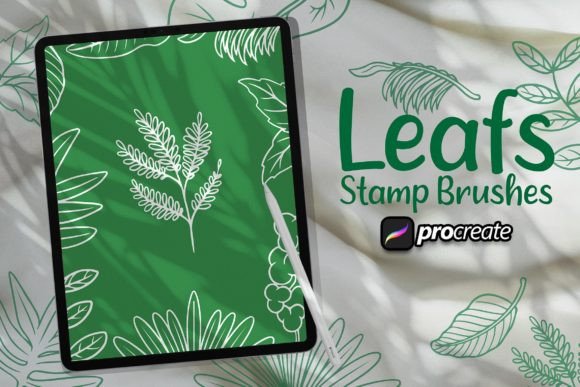
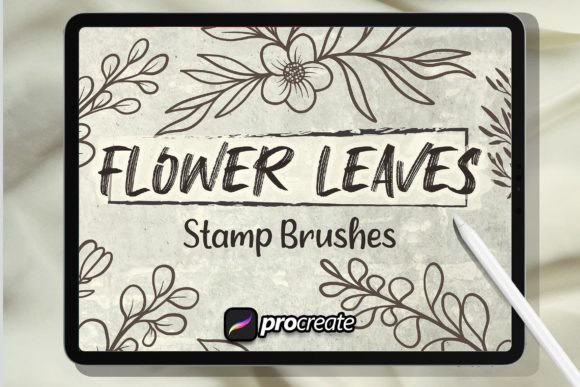
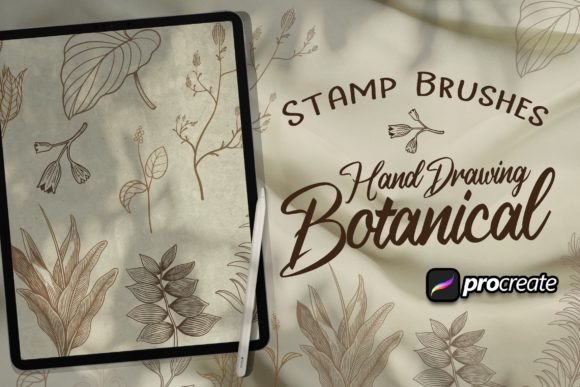
In the fast-paced world of digital design, maintaining a unique aesthetic while meeting tight deadlines is a constant challenge. Designers, marketers, and content creators often find themselves toggling between rigid geometric templates and the desire for organic, human-centric visuals. This is where specialized assets like the Hand Drawing Botanical Brush Stamp become invaluable. Rather than serving as a mere decorative add-on, this tool functions as a critical component in a broader creative ecosystem, bridging the gap between efficiency and artistic authenticity.
Understanding how to effectively deploy these brushes requires more than just installing a file. It demands a strategic approach to workflow integration. Whether you are crafting a brand identity, designing social media graphics, or illustrating educational materials, the botanical brush stamp offers a versatile solution that enhances visual storytelling without compromising production speed.
The Role of Organic Elements in Modern Digital Design
Digital design has historically leaned toward precision. Vector lines are perfect, colors are exact, and layouts are grid-based. However, consumer trends have shifted significantly toward warmth, authenticity, and tactile experiences. Audiences respond positively to designs that feel "hand-made," even when they are produced digitally. The Hand Drawing Botanical Brush Stamp addresses this demand by injecting irregularity and natural texture into digital compositions.
These stamps are not just about adding leaves or flowers; they are about introducing rhythm and movement. When used correctly, they break the monotony of sterile layouts. For entrepreneurs and small business owners, this distinction is crucial. A logo or packaging design that incorporates hand-drawn elements can convey craftsmanship and care, differentiating a brand from competitors who rely solely on stock photography or generic clip art.
Pre-Production: Preparation and Compatibility
Before diving into creation, successful implementation begins with preparation. The package includes everything needed to start immediately, but understanding the technical environment is essential for smooth execution. These brushes are typically designed for industry-standard software such as Adobe Photoshop, Procreate, or Affinity Designer. Ensuring your software is updated and compatible with the brush file format is the first step in avoiding technical friction later in the process.
Organization is another key factor. Professionals often manage hundreds of assets. Creating a dedicated folder or library group specifically for botanical elements ensures that the Hand Drawing Botanical Brush Stamp is readily accessible during high-pressure projects. This preparatory phase reduces decision fatigue. When you know exactly where your tools are, you can focus on creativity rather than file management.
Assessing Project Suitability
Not every project benefits from organic overlays. During the planning stage, evaluate whether the tone of your project aligns with botanical aesthetics. These stamps work exceptionally well for:
- Wellness and beauty branding
- Eco-friendly product packaging
- Wedding and event invitations
- Educational materials related to nature or science
- Lifestyle blog headers and social media backgrounds
If your project involves high-tech industrial themes or corporate financial reports, these elements might clash with the intended message. Recognizing this fit early prevents wasted effort and ensures consistent quality control.
Execution: Integrating Brushes into the Creative Process
Using a brush is very simple – just place the brush strokes and select the appropriate brush from the brush panel. However, simplicity should not be confused with lack of technique. To achieve professional results, consider the following implementation strategies during the design phase.
Layering and Depth
One common mistake is placing stamps flat against a background. To create depth, use multiple layers. Start with a larger, lighter opacity stamp to establish a base shape, then overlay smaller, darker stamps to add detail. This mimics the natural variation found in real botanical illustrations. Adjusting the blending modes—such as using "Multiply" for shadows or "Overlay" for texture—can further integrate the stamp into the existing composition, making it look like part of the original artwork rather than a pasted element.
Color Harmony and Customization
While the Hand Drawing Botanical Brush Stamp comes with default settings, customization is key to brand consistency. Use color pickers to match the brush strokes to your specific brand palette. Avoid using pure black or standard green unless it fits your scheme. Instead, opt for muted earth tones, deep teals, or soft pastels depending on the mood. This attention to detail ensures that the botanical elements enhance rather than distract from the primary message.
Composition and Balance
When placing stamps, consider the rule of thirds and negative space. Botanical elements often work best in corners or as framing devices, guiding the viewer’s eye toward the central subject, such as text or a product image. Avoid cluttering the center of the design. Use the stamps to create a visual border or to fill awkward empty spaces without overwhelming the core content.
Post-Production: Refinement and Quality Control
After the initial placement, the refinement phase ensures polish. Zoom in to check for pixelation or awkward edges. Since these are digital stamps, they should remain crisp at various resolutions, but verifying output quality is essential for print materials. For web-based projects, ensure that the file size remains optimized after adding these graphical elements.
Consistency across deliverables is another critical aspect of long-term use. If you are creating a series of social media posts or a multi-page brochure, use the same subset of botanical stamps throughout. This creates a cohesive visual language. Save your layer styles and color adjustments as presets to streamline future projects. This practice not only saves time but also reinforces brand recognition.
Workflow Efficiency and Long-Term Value
Investing in a comprehensive package like the Hand Drawing Botanical Brush Stamp pays dividends over time. For freelancers and agencies, the ability to rapidly generate unique illustrations without hiring an illustrator for every minor task significantly reduces costs and turnaround times. It empowers marketers to A/B test different visual styles quickly, responding to audience feedback with agility.
Moreover, these tools encourage experimentation. Because the barrier to entry is low, designers can try unconventional combinations. You might discover that a specific leaf pattern works perfectly as a watermark or that a floral arrangement serves as an effective bullet point list marker. These small innovations accumulate, enhancing the overall sophistication of your design portfolio.
Collaboration and Asset Sharing
In team environments, standardized assets facilitate collaboration. When everyone uses the same Hand Drawing Botanical Brush Stamp library, the final output maintains a unified look regardless of which team member worked on which section. This reduces the need for extensive revisions and ensures that the brand voice remains consistent across all touchpoints.
Conclusion
The Hand Drawing Botanical Brush Stamp is more than a collection of digital images; it is a strategic tool for modern creators. By integrating these organic elements into your workflow, you balance efficiency with artistry. From careful pre-production planning to thoughtful execution and rigorous quality control, each step enhances the final outcome. Whether you are a seasoned designer or a small business owner managing your own marketing, mastering this tool allows you to produce professional, engaging, and aesthetically pleasing content that resonates with your audience. Embrace the simplicity of the brush panel, but apply the discipline of professional design principles to unlock its full potential.