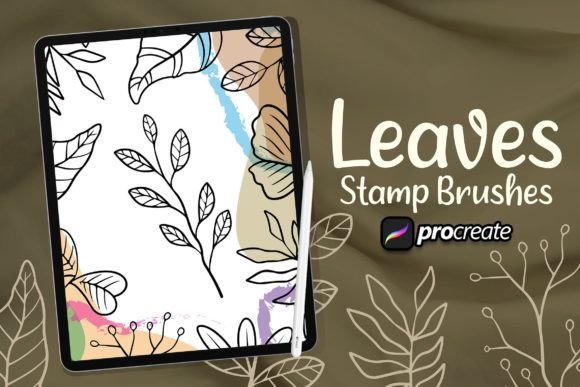
Leaves Stamp Brush: A Practical Guide for Digital Designers
In the expansive world of digital illustration and graphic design, efficiency often dictates the quality of the final output. Designers constantly seek tools that balance artistic expression with workflow speed. One such tool gaining traction among illustrators and branding specialists is the Leaves Stamp Brush. This specialized digital asset allows users to incorporate organic, botanical elements into their work with minimal effort. By understanding what this tool offers, its practical applications, and its limitations, creators can make informed decisions about whether it aligns with their specific project requirements.
Understanding the Leaves Stamp Brush
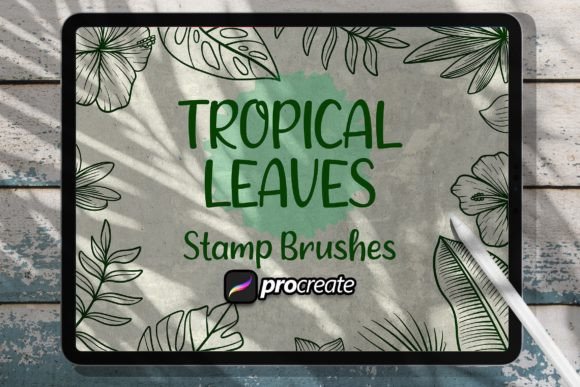
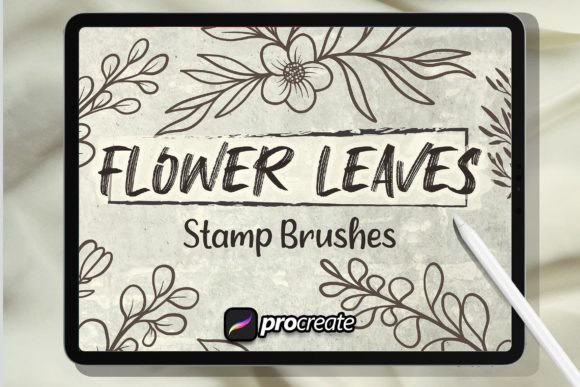
A Leaves Stamp Brush is a pre-configured digital brush preset available in various graphic software platforms, most commonly Adobe Photoshop, Procreate, or Clip Studio Paint. Unlike standard round brushes that paint continuous strokes, a stamp brush places a predefined image—in this case, a leaf shape—at each click or interval along a stroke. The package typically includes a variety of leaf shapes, sizes, and rotations, providing a comprehensive toolkit for creating naturalistic textures.
The core functionality is straightforward. Using a brush is very simple - just place the brush strokes and select the appropriate brush from the brush panel. This simplicity belies the versatility of the tool. Users can adjust spacing, size jitter, and angle jitter to ensure that repeated stamps do not look mechanical or repetitive. The result is a dynamic, organic arrangement of foliage that would otherwise require hours of manual drawing or complex layering techniques.
Why Designers Choose Leaf Stamp Brushes
The primary reason professionals integrate a leaves stamp brush into their workflow is efficiency. Hand-drawing individual leaves, especially when creating dense backgrounds or intricate borders, is time-consuming. A stamp brush reduces this process to a few clicks. However, efficiency is not the only driver. Consistency is another critical factor. When creating patterns for textiles, wallpapers, or packaging, maintaining a uniform style across hundreds of elements is challenging manually. A stamp brush ensures that every leaf adheres to the same artistic style, line weight, and color palette.
Furthermore, these brushes are invaluable for non-illustrators who need high-quality botanical elements. Marketing managers, social media content creators, and small business owners often lack advanced drawing skills but still require professional-looking visuals. In this package you will find everything you need - for example, making logos, illustrations, or special backgrounds. This accessibility lowers the barrier to entry for creating polished, nature-inspired designs.
Key Benefits and Practical Applications
The versatility of the Leaves Stamp Brush makes it suitable for a wide range of projects. Below are several scenarios where this tool proves particularly effective:
- Logo Design: For brands focused on sustainability, organic products, or wellness, incorporating leaf motifs is common. A stamp brush allows designers to quickly iterate through different arrangements to find the perfect emblem without redrawing elements from scratch.
- Background Textures: Creating subtle, nature-themed backgrounds for websites or print materials is streamlined with stamp brushes. By lowering the opacity and varying the size, designers can create depth and texture that enhances readability without overwhelming the foreground content.
- Illustrative Borders and Frames: Invitations, certificates, and book covers often feature decorative borders. A leaves stamp brush enables the creation of intricate, flowing frames that adapt to the shape of the canvas.
- Concept Art and Environment Design: Concept artists use these brushes to block out foliage in landscape paintings. It helps establish the mood and density of a forest or garden scene before committing to detailed rendering.
Tradeoffs and Considerations
While the benefits are significant, relying on a leaves stamp brush comes with tradeoffs that designers must evaluate. The most notable limitation is the risk of repetition. If the brush settings are not adjusted properly, the pattern can appear tiled and artificial. Viewers may notice identical leaf shapes repeating at regular intervals, which breaks the illusion of natural randomness. To mitigate this, users must spend time configuring brush dynamics, such as rotation, size variation, and color fluctuation.
Another consideration is artistic originality. Because stamp brushes are widely available, there is a possibility that other designers may use the same assets. For high-end, bespoke branding projects, this lack of uniqueness might be a drawback. In such cases, using the brush as a base layer and then manually refining or combining it with hand-drawn elements can help maintain a unique aesthetic.
Additionally, resolution matters. Low-quality stamp brushes can appear pixelated when scaled up for large-format prints. It is essential to verify that the brush set includes high-resolution assets or vector-based options if scalability is a priority for your project.
When to Use Alternatives
There are situations where a Leaves Stamp Brush may not be the optimal choice. If a project requires hyper-realistic botanical accuracy, such as scientific illustrations or detailed nature documentaries, a stamp brush is insufficient. These tools prioritize stylistic representation over anatomical precision. In such cases, referencing real-life photographs or hiring a specialized botanical illustrator is necessary.
Similarly, if the design demands highly specific, custom leaf shapes that do not exist in standard libraries, creating custom brushes from scratch or drawing elements manually may be more efficient than trying to modify existing stamps. Furthermore, for minimalist designs where every line must be purposeful and precise, the organic unpredictability of a stamp brush might introduce unwanted visual noise.
Making the Right Decision
Deciding whether to invest time in mastering a Leaves Stamp Brush depends on your specific goals. If you frequently work on projects involving nature themes, seasonal campaigns, or organic branding, this tool is likely a strong fit. It offers a high return on investment by significantly reducing production time while maintaining professional quality.
To maximize the value of this tool, consider the following decision-making insights:
- Evaluate Your Volume: If you produce high volumes of content with botanical elements, the time saved by using stamp brushes justifies the learning curve.
- Assess Your Style: Ensure the aesthetic of the brush pack matches your brand identity. Some packs offer watercolor styles, while others provide clean, vector-like lines. Choose accordingly.
- Plan for Customization: Be prepared to tweak settings. The default output is rarely perfect. Adjusting flow, opacity, and scattering will yield more natural results.
In conclusion, the Leaves Stamp Brush is a powerful asset for modern digital creators. It bridges the gap between artistic intent and technical execution, allowing for the rapid creation of beautiful, nature-inspired designs. By understanding its capabilities and limitations, designers can effectively integrate it into their workflows, enhancing both productivity and creative output. Whether you are crafting a logo, illustrating a children's book, or designing a website background, this tool offers a practical solution for bringing the outdoors into your digital canvas.