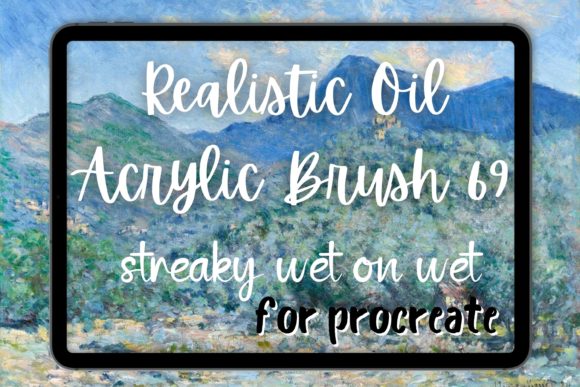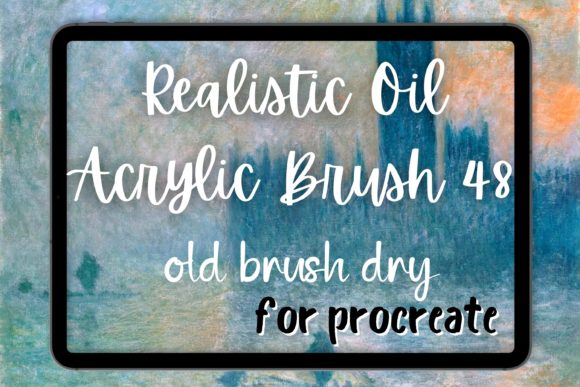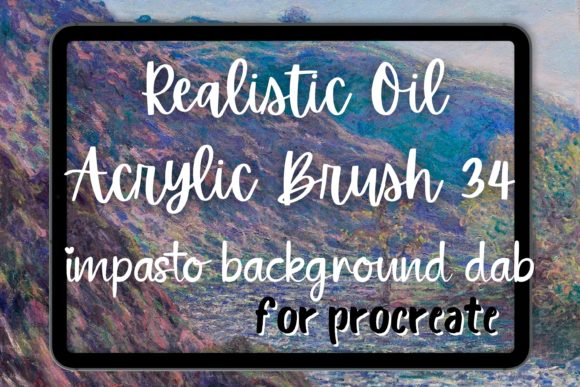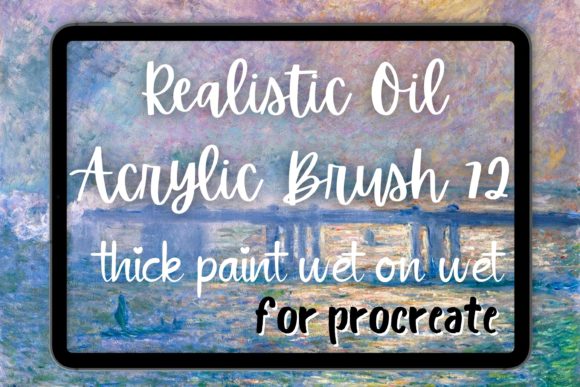
Mastering Texture: A Deep Dive into the Procreate Oil Brush 66 Streaky Dry for Digital Impressionism
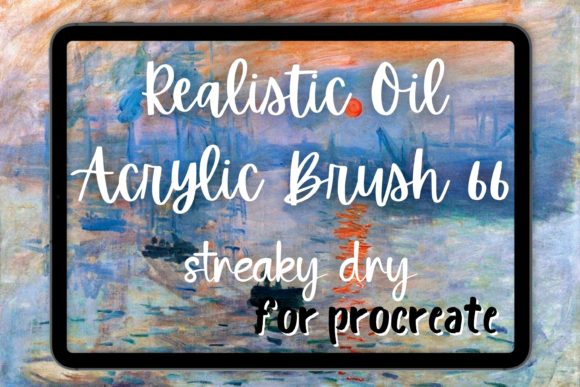
The transition from traditional media to digital platforms has long been a point of contention for artists who value the tactile resistance of canvas and the unpredictable behavior of physical pigments. While early digital tools often felt sterile and overly perfect, modern advancements have bridged this gap with remarkable fidelity. At the forefront of this evolution is the Procreate Oil Brush 66 Streaky Dry, a specialized tool designed to replicate the complex interplay between bristle, paint, and surface. This brush is not merely a preset; it is a sophisticated algorithmic interpretation of how oil paint behaves when it begins to dry on the canvas, offering a unique aesthetic that sits comfortably between realism and expressive abstraction.
The Mechanics of Digital Dryness
To understand the utility of the Procreate Oil Brush 66 Streaky Dry, one must first appreciate the physics it simulates. In traditional oil painting, "dry brush" techniques occur when a brush loaded with minimal paint is dragged across a textured surface. The paint catches on the high points of the canvas weave while skipping over the valleys, creating broken, streaky lines that reveal the underlying layers. This effect is crucial for creating depth, movement, and atmospheric perspective.
Digital replication of this phenomenon requires more than just a textured tip image. It demands a dynamic response to pressure, tilt, and velocity. The Procreate bundle containing this specific brush utilizes advanced stroke stabilization and grain dynamics to ensure that every mark feels intentional yet organic. When you apply the Procreate oil brush with light pressure, it mimics the scarcity of pigment, allowing the digital canvas texture to show through. As pressure increases, the opacity builds, simulating the accumulation of paint. This responsiveness is what separates a standard digital smudge tool from a professional-grade van gogh brush simulation.
Bridging the Gap Between Van Gogh and Digital Pixels
Vincent van Gogh’s work is characterized by thick, visible brushstrokes, known as impasto, which convey emotion and movement. Achieving this look digitally has historically required complex layering and manual texturing. The Procreate van gogh aesthetic is now accessible through tools like the Procreate Oil Brush 66 Streaky Dry. By leveraging the natural irregularities of the brush engine, artists can create oil brush strokes that possess the same rhythmic quality found in post-impressionist masterpieces.
This capability extends beyond mere imitation. It allows contemporary creators to explore impressionism in a non-destructive environment. You can experiment with bold, sweeping gestures without the fear of ruining a physical canvas or waiting days for layers to dry. The streaky oil brush effect is particularly effective for rendering landscapes, where the suggestion of foliage or water is often more powerful than photorealistic detail. The broken color technique, a hallmark of impressionist theory, becomes intuitive when using a brush that naturally breaks up solid colors into textured fragments.
Applications Across Artistic Disciplines
The versatility of this tool makes it relevant for a wide array of creative professionals and hobbyists. Its application is not limited to traditional landscape painting but extends into various stylistic domains:
- Abstract Painting: The unpredictable nature of the dry streaks encourages spontaneous composition. Artists can build complex layers of color that interact visually rather than blending physically, creating vibrant, energetic abstract pieces.
- Character Concept Art: For concept artists, speed and readability are key. Using a painterly approach allows for quick blocking of forms and lighting without getting bogged down in rendering details too early. The texture adds immediate visual interest to rough sketches.
- Editorial Illustration: Publications often seek artwork that feels hand-crafted and warm. The acrylic brush or gouache-like qualities that emerge from varying the opacity settings can provide a mid-century modern feel that resonates with contemporary editorial trends.
- Fine Art Reproduction: Educators and researchers studying art history can use these tools to deconstruct classic techniques. By replicating the stroke patterns of old masters, students gain a deeper kinesthetic understanding of how those works were constructed.
Workflow Integration and Technical Considerations
Integrating the Procreate Oil Brush 66 Streaky Dry into your workflow requires an adjustment in mindset. Unlike vector-based tools or soft airbrushes, this brush thrives on confidence. Hesitant, slow strokes can result in muddy accumulations of digital pigment. Instead, users should embrace decisive, gestural movements. The brush engine is designed to reward velocity; faster strokes tend to produce cleaner, more defined streaks, while slower drags allow for greater texture interaction.
Color mixing is another critical aspect. In traditional media, colors mix on the palette or on the canvas. In Procreate, while you can blend digitally, the dry brush effect works best when colors are placed side-by-side, allowing the eye to optically mix them. This technique, known as optical mixing, enhances the luminosity of the final piece. When using the gouache brush settings within the same family, artists can achieve opaque, matte finishes that contrast beautifully with the translucent, streaky qualities of the oil simulation.
It is also important to consider the canvas choice. The effectiveness of the Procreate Oil Brush 66 Streaky Dry is heavily dependent on the underlying paper or canvas texture selected in Procreate. A smooth screen texture will yield different results compared to a rough watercolor paper or a coarse linen canvas. Experimenting with different canvas grains can dramatically alter the appearance of the streaks, offering further customization without changing the brush itself.
Enhancing Realism with Layering Strategies
To maximize the potential of this tool, consider a multi-layered approach. Start with a thin wash using a wetter brush variant to establish the tonal values. Once this base is set, switch to the Procreate Oil Brush 66 Streaky Dry to build form and texture. Because the brush is "dry," it will pick up some of the underlying color while depositing new pigment, creating a natural harmony between layers. This method mimics the traditional "fat over lean" rule of oil painting, ensuring visual cohesion.
For those interested in abstract painting, this layering technique can be pushed further. By using clipping masks and blending modes such as Multiply or Overlay, you can intensify the shadows and highlights created by the brush strokes. The van gogh oil effect is often enhanced by adding subtle glazes over the textured strokes, which unifies the composition while preserving the tactile quality of the underlying marks.
The Educational Value of Digital Textures
Beyond its artistic applications, the Procreate bundle featuring these realistic brushes serves as an educational resource. For educators teaching digital art, demonstrating how digital tools can emulate physical constraints helps students understand the fundamentals of light, shadow, and texture. It demystifies the process of traditional painting, making it accessible to those who may not have access to a studio space or expensive materials.
Researchers and historians can also benefit from these simulations. By analyzing the stroke dynamics of the Procreate van gogh brush, one can gain insights into the mechanical actions required to produce similar effects in real life. This cross-disciplinary application highlights the broader relevance of high-fidelity digital tools in both creative and academic contexts.
Conclusion: Embracing the Imperfect
The beauty of the Procreate Oil Brush 66 Streaky Dry lies in its imperfection. It rejects the sterile precision of default digital tools in favor of the chaotic, organic beauty of real-world media. Whether you are a professional illustrator looking to add warmth to your commercial work, a hobbyist exploring the joys of impressionism, or an educator demonstrating the principles of texture, this brush offers a compelling solution. It invites users to slow down, observe the interaction of light and texture, and embrace the happy accidents that define the creative process. By mastering this tool, artists can unlock a new dimension of expressiveness in their digital practice, proving that the soul of traditional painting can indeed thrive in the digital age.